
AI automation · Picvelo · 2026 · 8 months (ongoing)
Picvelo auto-blog - a daily post built on product data
The whole blog has cost about $3 in tokens since June. The expensive part turned out to be something else: 74 posts written from the model's memory brought three clicks. The current version collects facts from the product database before it starts writing.
- Python
- OpenAI Responses API
- gpt-5.6
- SQLite
- Search Console API
- GitHub Actions
- Unsplash API
- PHP
The challenge
Picvelo is a young SaaS platform on a domain with no history, so without content it had no chance of search traffic. The first version of the bot published two articles a day in three languages and, after 74 posts, brought three clicks. Search Console showed why: educational texts about photography ranked at positions 40-90, and the EN and DE versions collected 389 impressions without a single click. Worse, the texts were generic, because the model wrote from memory and had no access to any data about the product.
Our solution
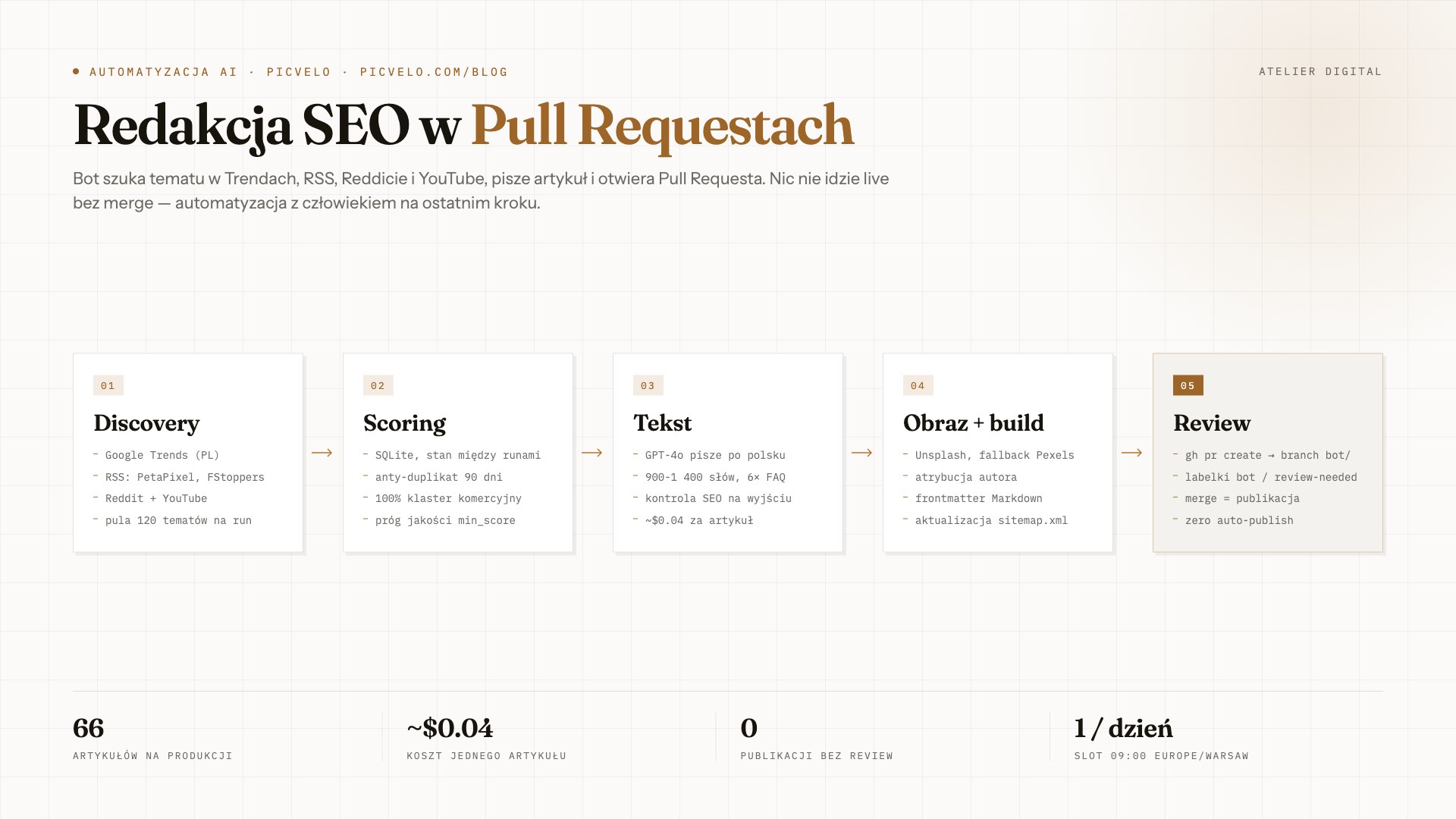
The bot went through three rebuilds. First the number of posts: translations off, one post a day, topics narrowed to the commercial cluster (client galleries, delivering photos, proofing, the photographer's business). Then the input: before writing, the bot pulls aggregates from the production database and a note from a web search. Finally the control: a second model pass reviews the draft, the writing model gets one round of fixes, and hard gates block publication of a text that is too short or aimed at a query that already has its post.
72
Articles on the blog
~$3
Token cost since June
46 of 63
Posts indexed (14 Sep)
What we built
- 01 A cluster planner: 21 topic series instead of drawing from trends
- 02 Topics from Search Console: queries within reach of the first page
- 03 Research before writing: facts from the product database and a note from a web search
- 04 The draft reviewed by a second model pass and one round of fixes
- 05 An anti-cannibalisation gate: a query that already has a post doesn't get a second one
- 06 Deduplication across the whole publishing history, not the last 30 days
- 07 A variable number of sections (6-9) and a mandatory table or list of steps
- 08 A refresh mode: adds sections to posts with impressions but no clicks
- 09 Tests before every run: red tests mean no post that day
- 10 A title graphic and two in-text images from Unsplash or Pexels, an IndexNow ping after publishing
Contents +
About the project
Picvelo is our own platform for photographers. We describe how it came about in the piece on building a SaaS (in Polish). The blog was meant to rank it for the queries of photographers looking for a gallery and photo selection tool, not for generic photography terms where half the internet competes.
This project is in the portfolio mainly because it shows what content automation gets wrong before it starts getting it right. Each of the three rebuilds was forced by a measurement, not by an idea.
What the data taught us
More doesn’t mean better
The first configuration: two articles a day, 2,100 words each, translated into English and German. After 74 posts, three clicks from search. The educational texts (“exposure triangle”, “how to set ISO”) sat at positions 40-90, because a young domain has nothing to compete with against sites with a ten-year history. Topics from the commercial cluster sat at positions 17-27 in the same data, so the pool of topics was narrowed to them.
Translations did nothing
Over 90 days, the EN and DE versions collected 389 impressions and zero clicks at an average position of 43. Since July the bot has written only in Polish.
The model can’t write from memory
An audit in September showed a second problem: the texts were correct and empty. The writing model got no source material, so it wrote about the product’s features what the model knew about “platforms for photographers” in general. Today two steps come before writing: aggregates from the Picvelo production database (over SSH, read only) and a short note from a web search. The log of every run says how many characters of material the writing model received. Zero in both fields means a text from memory, and it is a signal to check.
Every post looked the same
Of 68 published posts, 55 had exactly eleven headings and ended with the same three sections. 62 posts had not a single table. Now the number of sections depends on the topic (6-9), the ending has four variants, and every text must contain a structural block: a table, a list of steps, or selection criteria. The choice is deterministic, so running the same topic again gives the same plan.
How it works today
Every morning GitHub Actions runs the tests. If any is red, there is no post that day. Then the planner picks the next topic from one of 21 series, supplementing it with Search Console queries that are close to the first page. A scoring module rejects topics similar to anything in the whole publishing history, and a separate gate doesn’t let through a post on a query that already has its own article. With daily publishing, that is the main risk: successive posts from the same series start taking positions from each other.
One model pass writes the draft, a second points out concrete flaws, and the first has one round of fixes, with the better of the two versions winning. Hard gates (including minimum length and a taken query) block publication, while style remarks go to the round of fixes. The finished text gets photos and goes straight into the blog’s database, followed by an IndexNow ping.
Twice a week the bot works in refresh mode: it takes an existing post that collects impressions and doesn’t turn them into clicks, and adds sections to it instead of creating a new article.
The earlier version published through pull requests approved by a human. Since July, posts go out without manual approval, and control has passed to the tests, the model review, and the gates.
What came out of it
The blog has 72 articles. A measurement on 14 September across 63 addresses: 46 indexed, 8 discovered and not yet processed, 9 unknown to Google. Three days earlier, Google didn’t know 29 of the 30 addresses checked. The cause wasn’t the content but the sitemap, which the search engine hadn’t fetched for 44 days. After the sitemap was fixed, the bot went back to daily publishing.
Cost doesn’t matter here: the whole blog has cost about $3 in tokens since June, and moving from gpt-4o to gpt-5.6 changed the bill by pennies per article.
What we don’t know: how many Picvelo sign-ups the blog brought. Search Console shows positions and clicks, but it doesn’t connect a visit to an article with a created account, and this deployment doesn’t collect that attribution. The blog is young, and long-tail traffic grows slowly. Like the AI automation for business we build for clients, this project works only once the model gets data, not just the instruction “write an article”.
Technically
Python on a self-hosted GitHub Actions runner, state and deduplication in SQLite. Models through the OpenAI Responses API: gpt-5.6-terra writes, reviews, and looks up information with a web search tool, and the cheaper gpt-5.6-luna plans the next subtopic. The blog engine is on the Picvelo application side (PHP): it renders HTML from the database and adds heading anchors, “See also” links between posts, and the FAQPage schema. The bot deliberately doesn’t burn links between articles into the text, because once they are saved in the database, they couldn’t be changed without a migration.
Screenshots
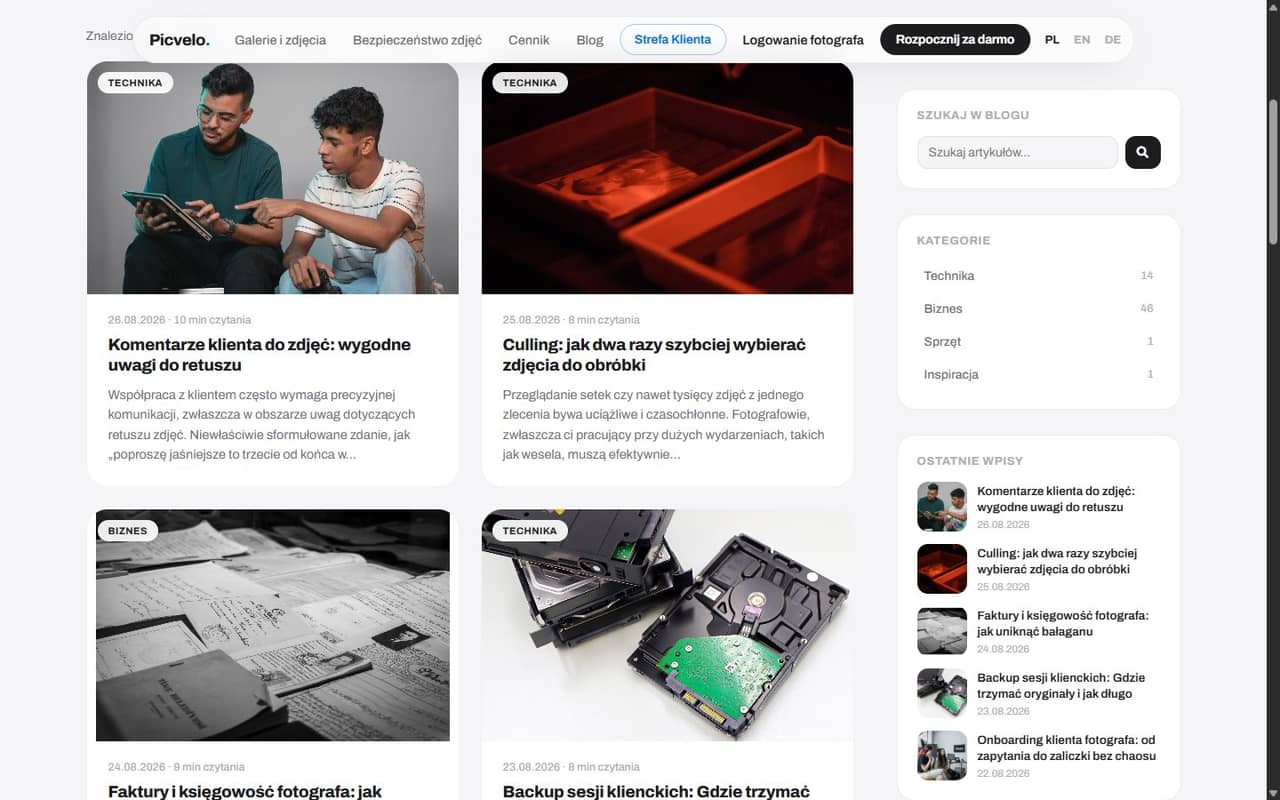
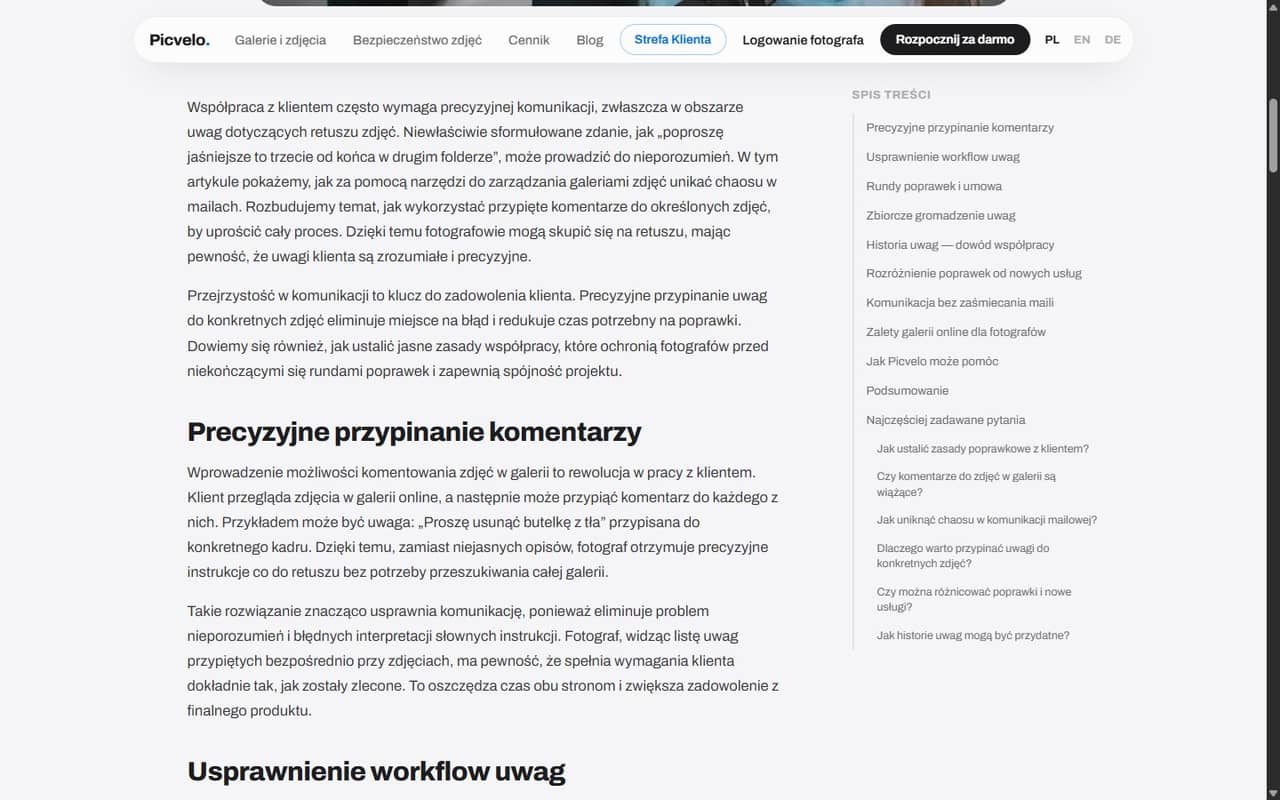

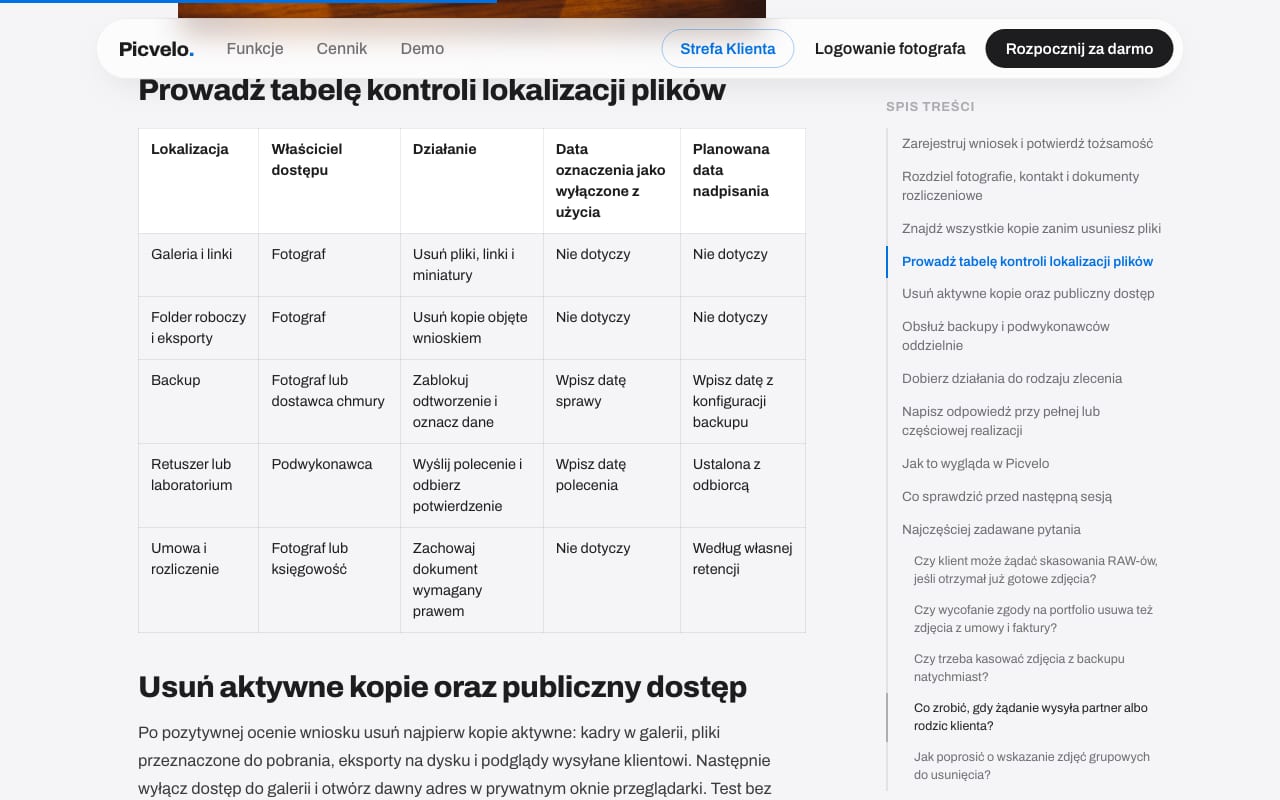
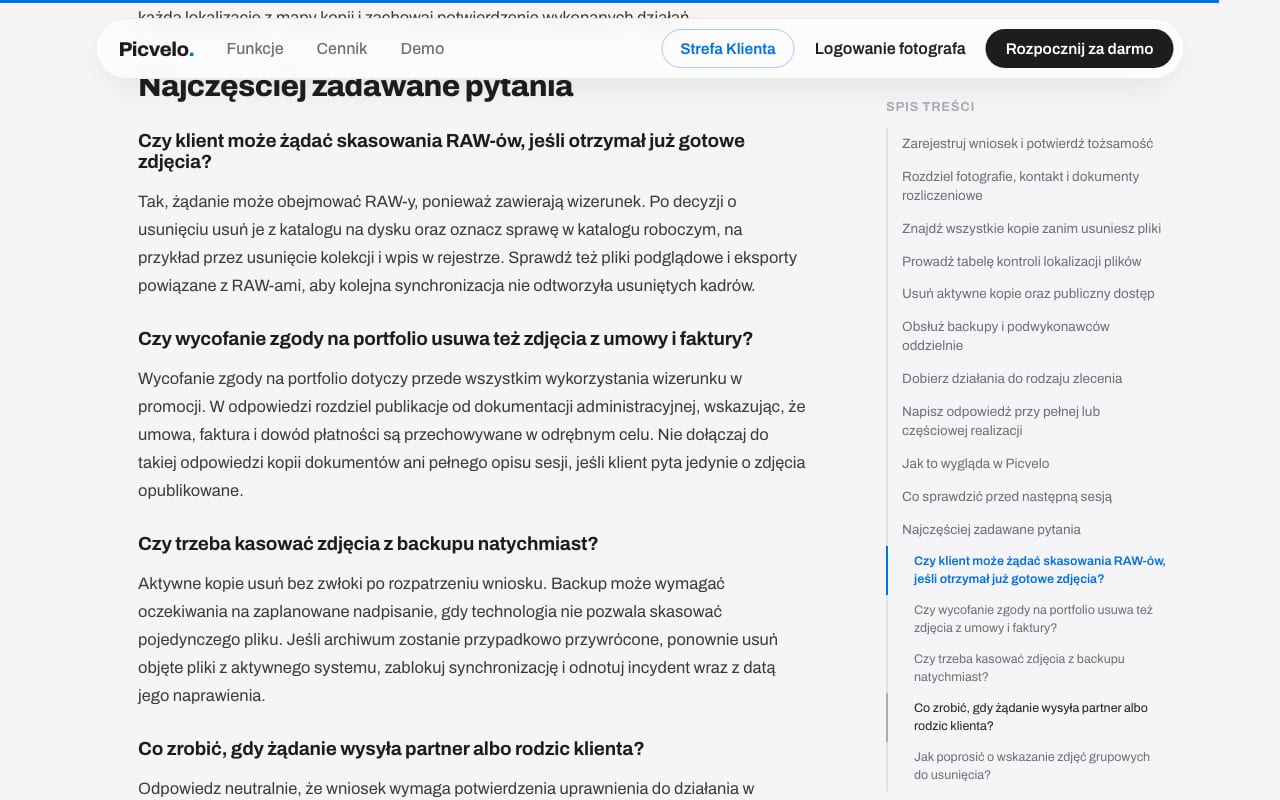



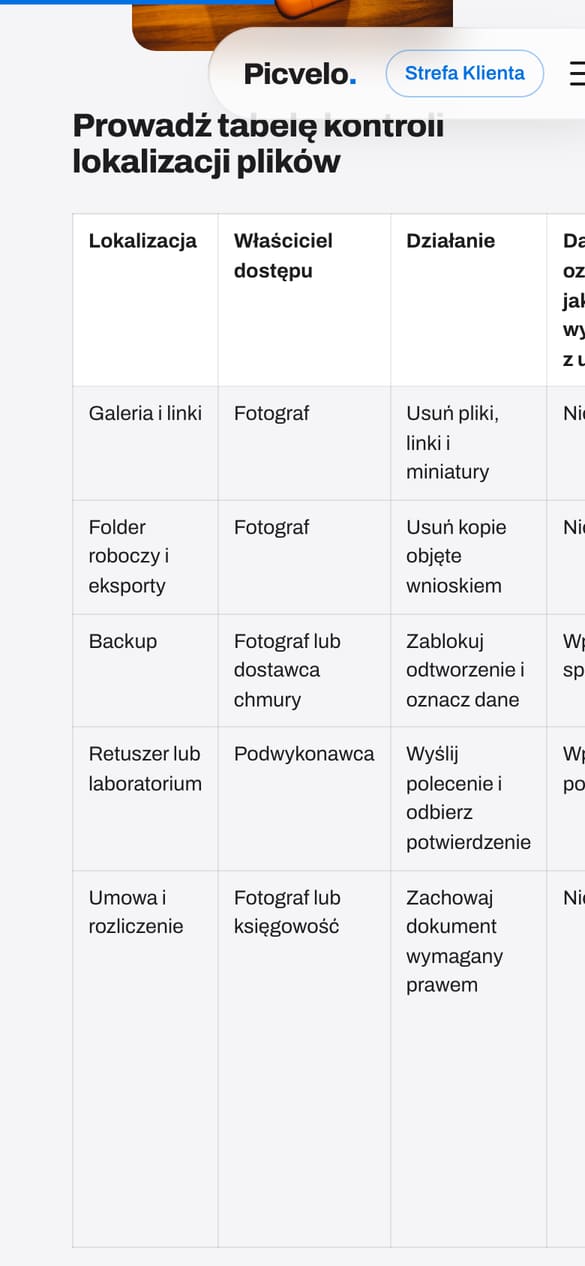

The blog homepage: one language, topics from the commercial cluster, meaning what Picvelo actually does.
A similar problem to solve?
Tell us briefly what it is about. We will send a quote within 24 hours.
Ask for a quote →