
AI automation · Tomasz Pagacz - Jubiler Pagacz · 2026 · 10 months (ongoing)
A jeweller's auto-blog - an SEO pipeline on GPT-5
Over 120 articles without a single hour of copywriting. In 28 days (21 Oct – 17 Nov 2026) the blog brought 265 clicks from Google, 53% of Google clicks across the whole store. If a query already has a post in the results, a second one isn't written.
- Python
- GPT-5
- OpenAI Embeddings
- WordPress REST API
- Search Console API
- GitHub Actions
- PHP
The challenge
A jewellery store with a catalogue of 19,500 products needed content to reach the long tail of queries: advice on diamonds, gold purity, valuations, wedding bands. A copywriting agency at 30 articles a month costs several thousand zloty, and the owner has no time to write himself. On top of that, a blog that grows every day soon starts competing with itself: a new post on the same query takes rankings away from the previous one.
Our solution
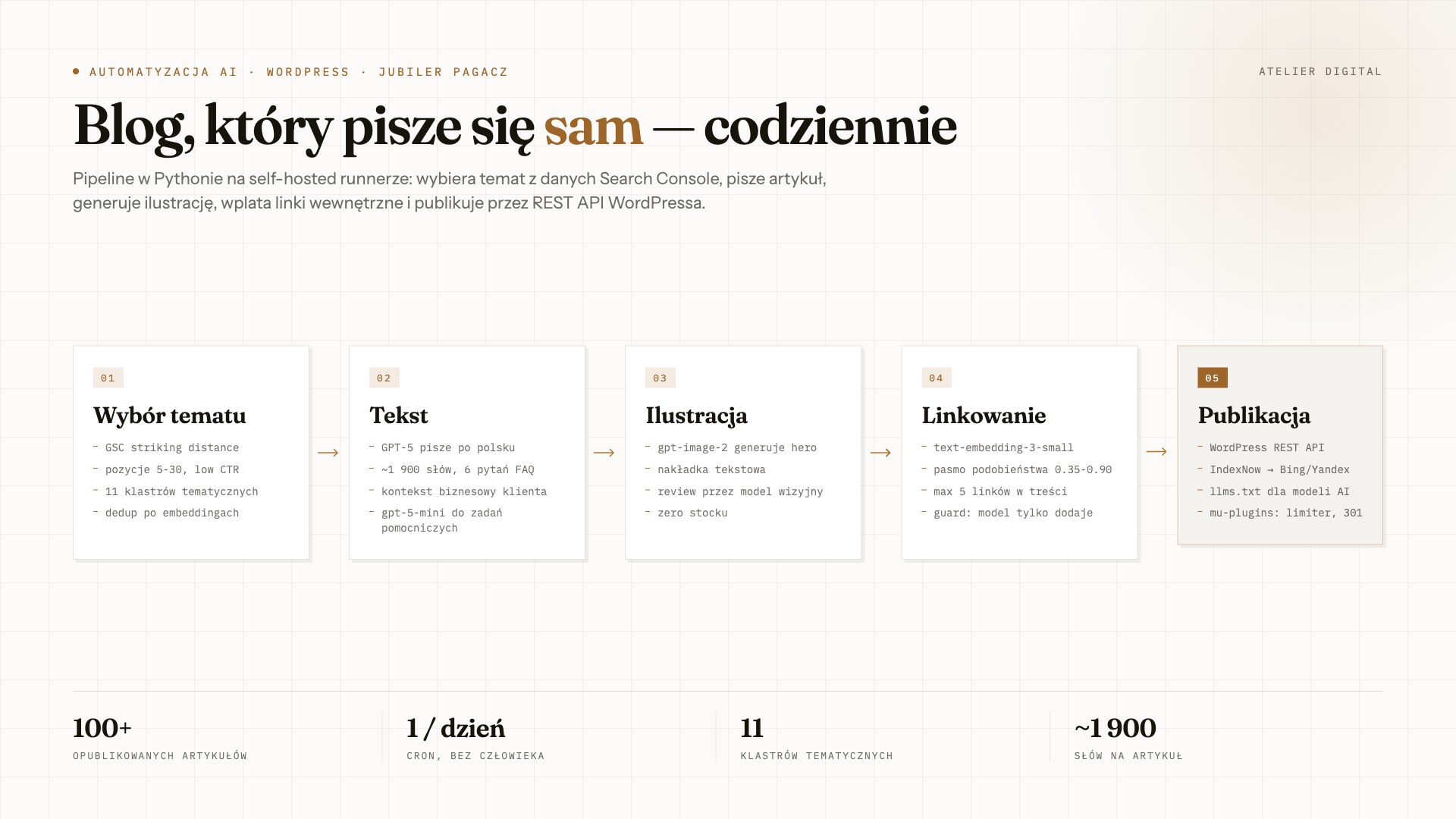
A Python pipeline run every other day on a self-hosted runner. It takes the topic from a queue built from Search Console: a query that already has a page at position 5-20 gets a refresh of the existing post, a query with no page gets a new short text, and the main query of a topic gets a longer pillar article. GPT-5 writes on the client's business context (IGI certification, training in Antwerp, service scope), gpt-image-2 generates an illustration, and embeddings pick links to related posts. Publishing goes through the WordPress REST API, followed by an IndexNow ping.
120+
Articles on the blog
265
Google clicks / 28 days
53%
Share of Google clicks
+70%
More clicks than in September
What we built
- 01 A topic queue from Search Console: a refresh, a new post, or a pillar article
- 02 An anti-cannibalisation gate: a query with a ranking page doesn't get a new post
- 03 Refreshes and new posts alternate 1:1
- 04 Topic deduplication by embeddings, slugs, and title similarity
- 05 GPT-5 article built on the client's business context
- 06 gpt-image-2 illustration with a text overlay
- 07 In-text links picked by embeddings, a "Similar topics" grid in the theme
- 08 The publishing limit on the WordPress side checked before any tokens are spent
- 09 Repair scripts in trial mode, writing to production only with the --apply flag
- 10 Cluster audits, duplicate consolidation, and 301 redirects
Contents +
About the project
Jubiler Pagacz sells jewellery that people buy once in a lifetime: engagement rings, wedding bands, investment diamonds. Before a purchase like that, people read up: what gold purity means, how to check a certificate, how much restoration costs. The blog was meant to catch those queries and lead the reader to the showroom in Bielsko-Biała. Local SEO for the showroom itself is a separate topic (where to start in Bielsko-Biała, which we cover separately (in Polish)). The blog adds the how-to queries the showroom hadn’t answered yet.
Ten texts are easy to write. It is harder to write them for a year, each about something different, each linked to the others and to the service pages, without turning the blog into a hundred texts fighting for the same queries.
What we built
A topic from a queue, not out of thin air
Before every run, the pipeline pulls from Search Console the queries the site already appears for and builds a queue from them. Each query gets a type. If it already has a page at position 5-20, the bot doesn’t write a new text but adds a section to the existing one. If there is no page, a short post of 500-800 words is written. The main query of a topic gets a pillar article of 1,800-2,200 words. Queries outside that band, and queries containing the showroom’s name (“pagacz”, “jubiler”), drop out of the queue, because the homepage handles those. Since September, wedding bands and engagement rings take priority, and topics about repairs and buying back are pushed down the queue.
The blog doesn’t compete with itself
An audit found a cluster of about 30 posts with very similar content. So a new topic now passes three checks: embedding similarity, title similarity, and slug collision. Refreshes and new posts alternate one to one, and the duplicates from the past were merged with 301 redirects.
Text with company context
GPT-5 gets the topic and a file with business context: who Tomasz Pagacz is, which certificates he has (IGI, training in Antwerp, SRJ membership), which services he offers and at what addresses. That lets the article cite real credentials and link to the right service page, instead of producing generalities about jewellery.
A generated image, not stock
The title graphic is made in gpt-image-2 and gets a text overlay. Stock photos of jewellery look the same everywhere, and a generated graphic belongs only to this blog.
Linking in the text and in the theme
Embeddings (text-embedding-3-small) compute the similarity of a new article to the existing ones and pick those in the 0.35-0.90 band: close enough for the link to make sense, far enough not to be a duplicate. The model weaves in up to five links, and a check rejects any response in which anything changed apart from the added links. The “Similar topics” block, with links to posts on the same topic, is rendered by the store’s theme, not the bot. The grid works both ways and leaves no dead links after posts are merged. The theme also outputs the structured data for the article, breadcrumbs, and FAQ.
Brakes
WordPress has a monthly publishing limit and rejects writes over it. The bot checks the remaining limit at the very start of a run, before it spends anything on tokens. Scripts that fix existing posts run in trial mode by default and write to production only with the --apply flag.
What came out of it
On 11 September we took a baseline measurement before changing anything. Over 28 days the blog gave 156 clicks and 14,624 impressions at an average position of 8.0, which is 34% of Google clicks across the whole site. As a cross-check, GA4 showed 161 organic sessions on posts in a similar window. Of 108 posts, 97 were indexed. The next three two-week windows: 66, 78, and 85 clicks.
Two months later the same method showed clear growth. In October the blog brought 181 clicks, 42% of Google clicks across the whole store. In the 28 days from 21 October to 17 November it was 265 clicks and 53%. Impressions on posts doubled to 32,900, at an average position of 7.4. The rest of the store got roughly the same number of clicks as before the baseline, so the growth came from the blog.
The baseline also found problems that nobody would have noticed without it. Since 8 September the bot had been finishing runs green and publishing nothing, because it had looped on a single row of the queue. 71 of 108 posts had not a single click, and 46 queries were being cannibalised, including all the local “jubiler bielsko” queries. The queue was unblocked the same day, and along the way we tidied up the redirects and the 410 responses for deleted products, which were eating the crawl budget. A week later the share of 404 errors in Googlebot traffic fell from 16.8% to 2.9%.
What we don’t know: how many articles led anyone to the showroom or to a purchase. That would need attribution data this deployment doesn’t collect. The blog sits next to the online store we built for the same client earlier, and the pipeline is one example of the AI automation for business we build.
Technically
Python 3.13 in a persistent venv on a self-hosted GitHub Actions runner (the client’s VPS), cron every other day at 6:00 UTC. Models: GPT-5 for writing, gpt-5-mini for auxiliary tasks, gpt-image-2 for graphics, text-embedding-3-small for similarity. Publishing through the WordPress REST API with an Application Password, IndexNow notifications and redirects through our own mu-plugins. The computational logic (queue, link selection, deduplication, redirects) is separated from the network calls and covered by 165 tests.
Screenshots
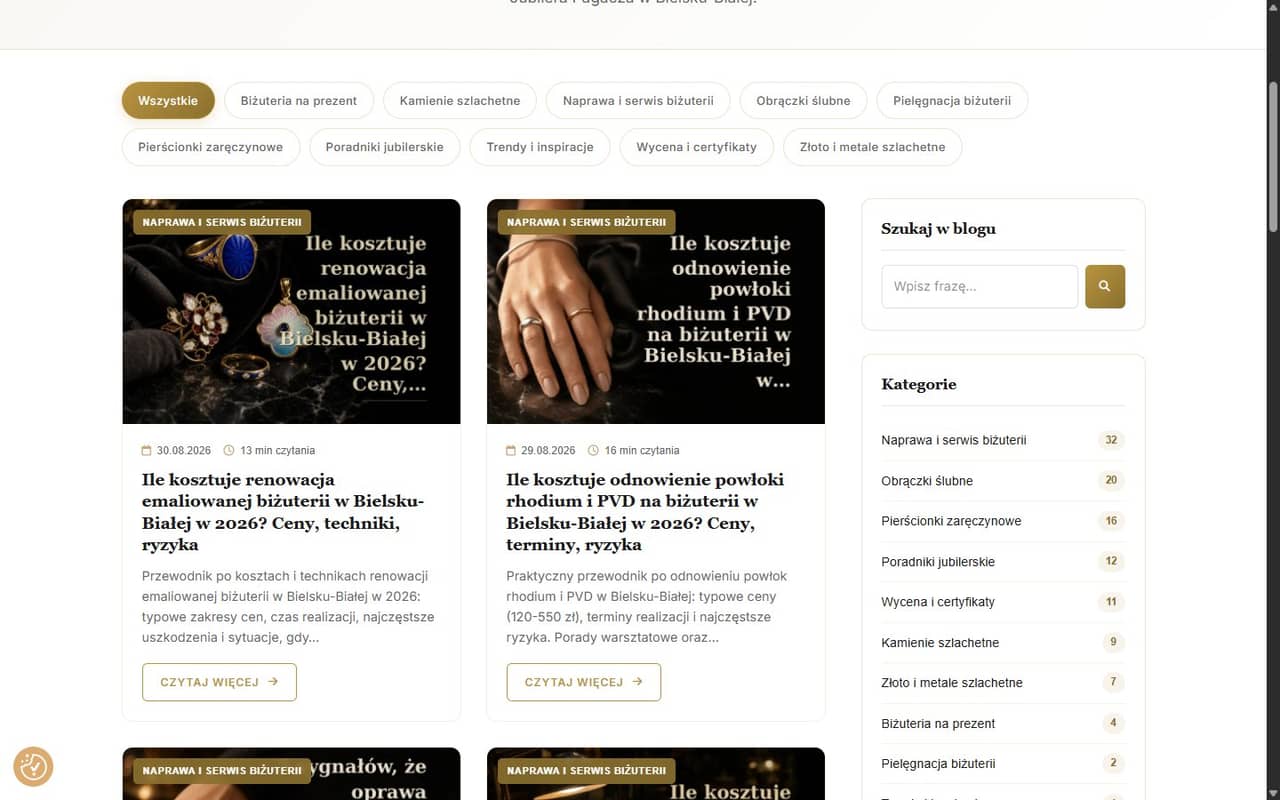
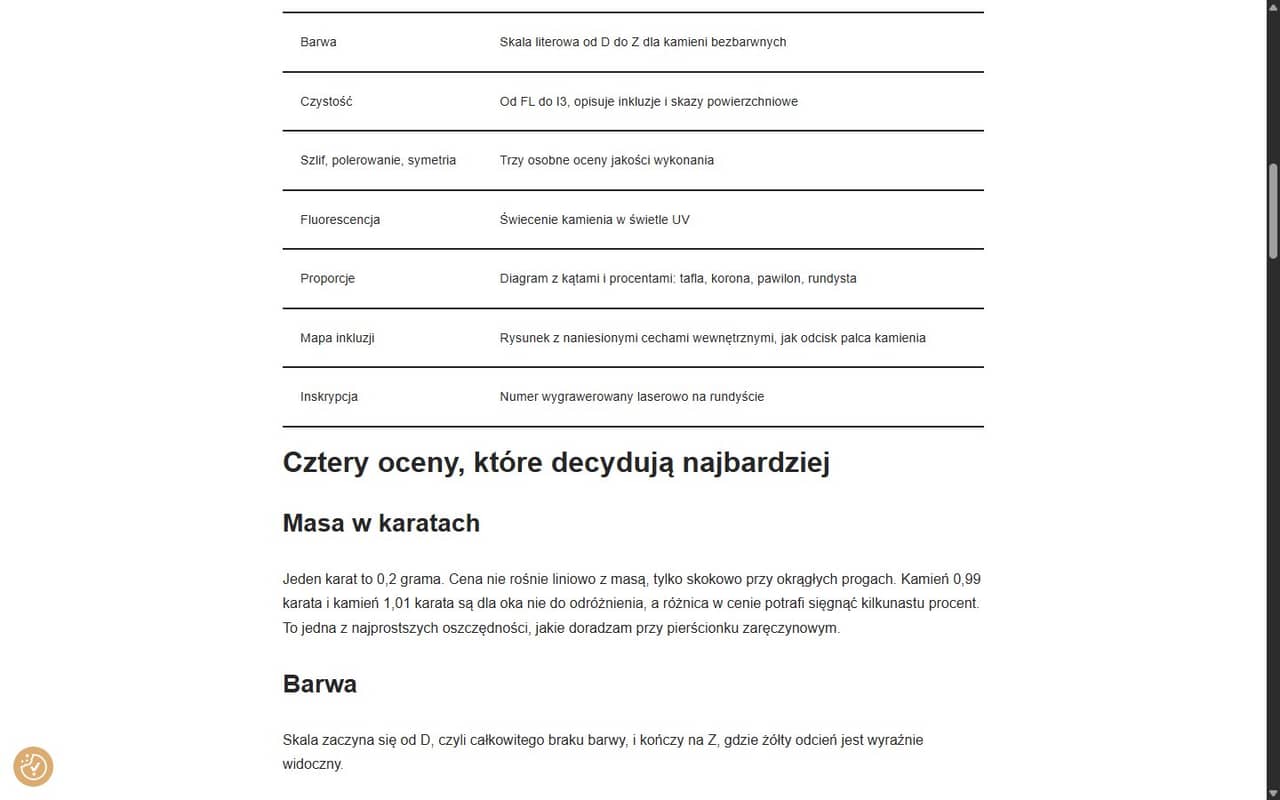
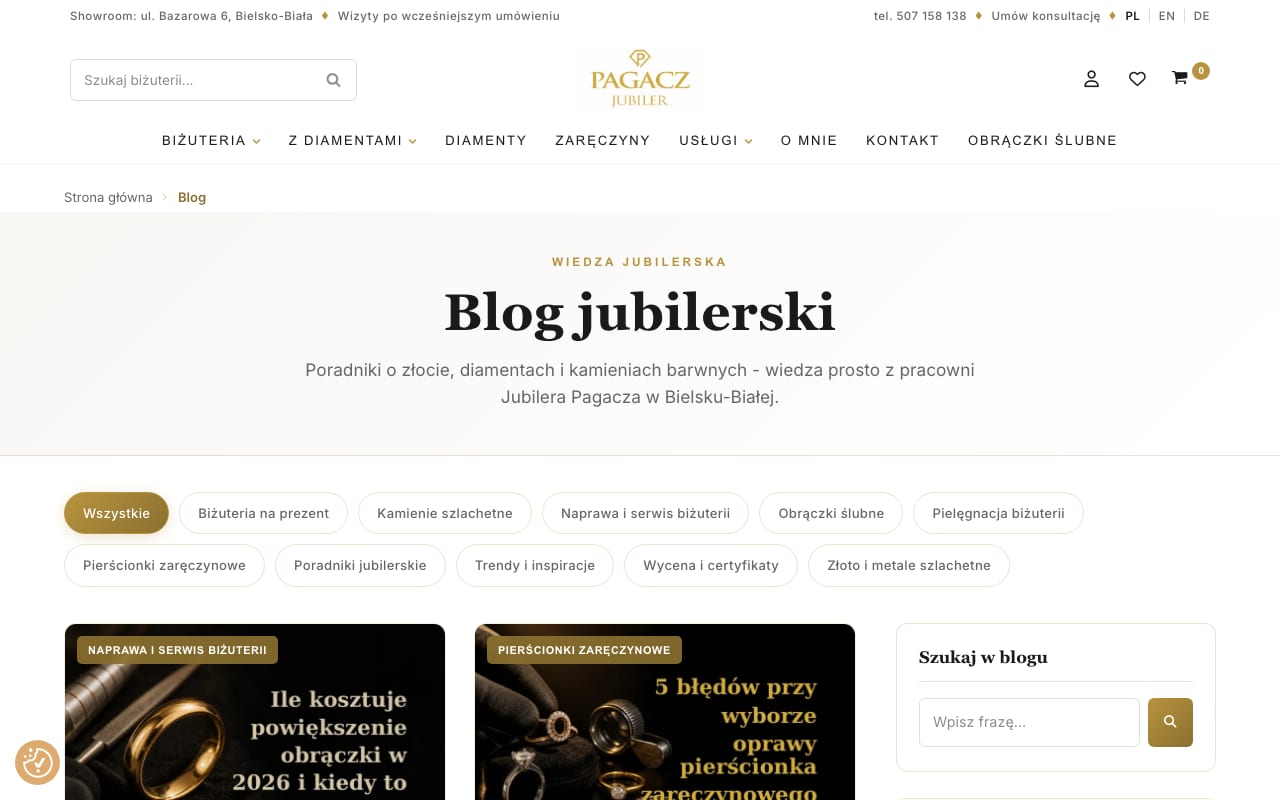
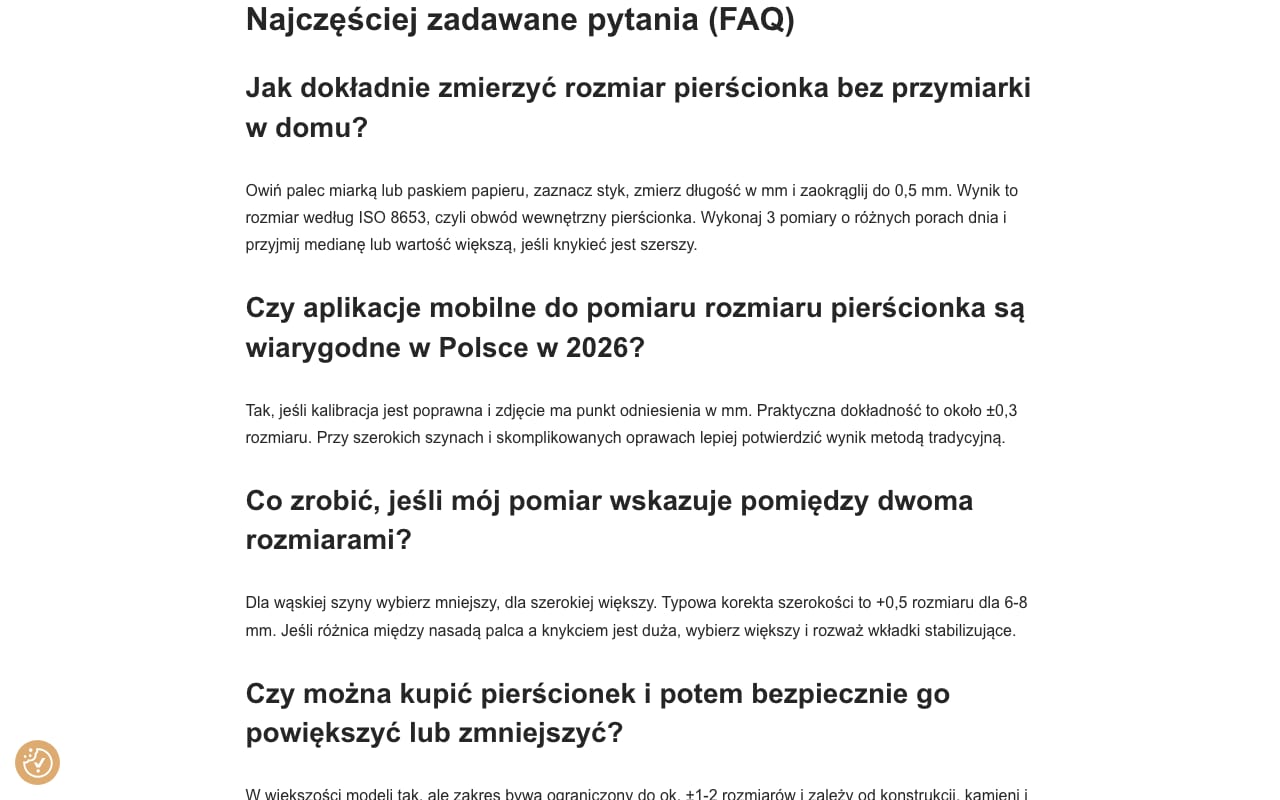
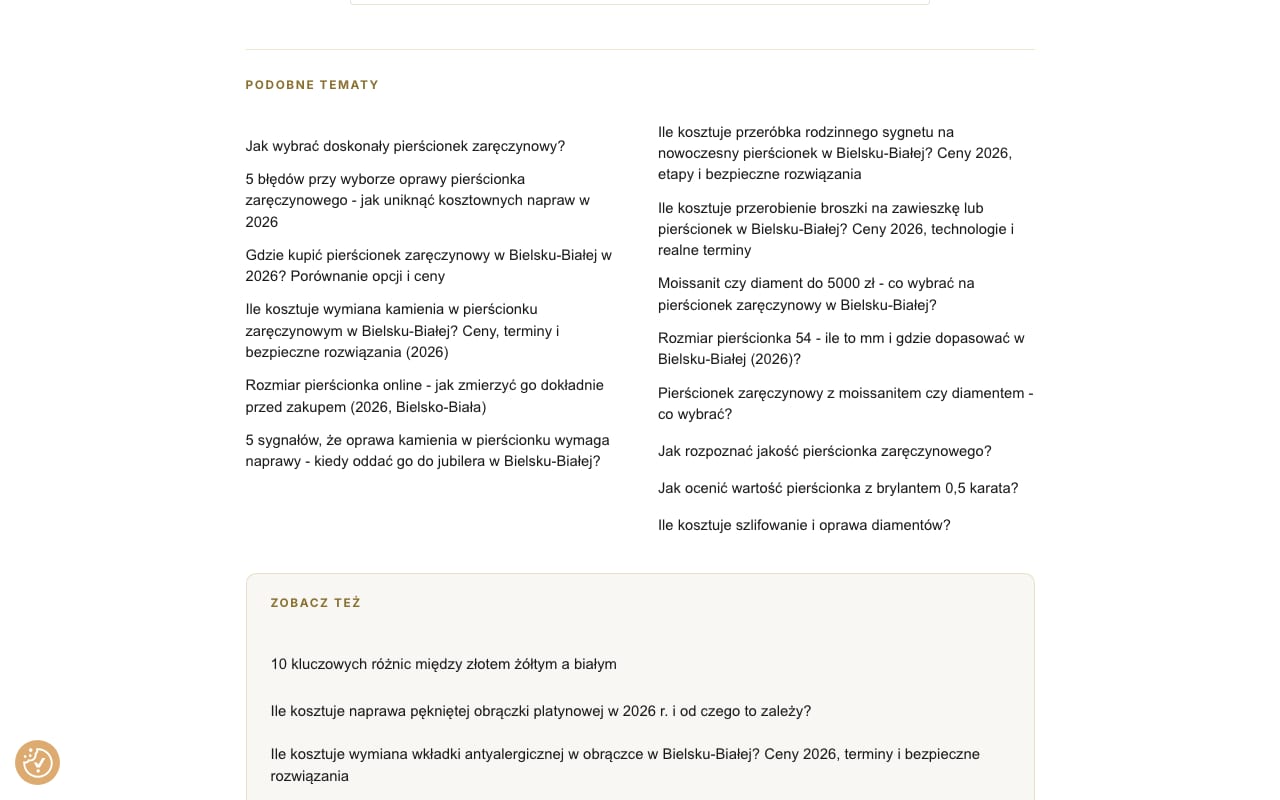

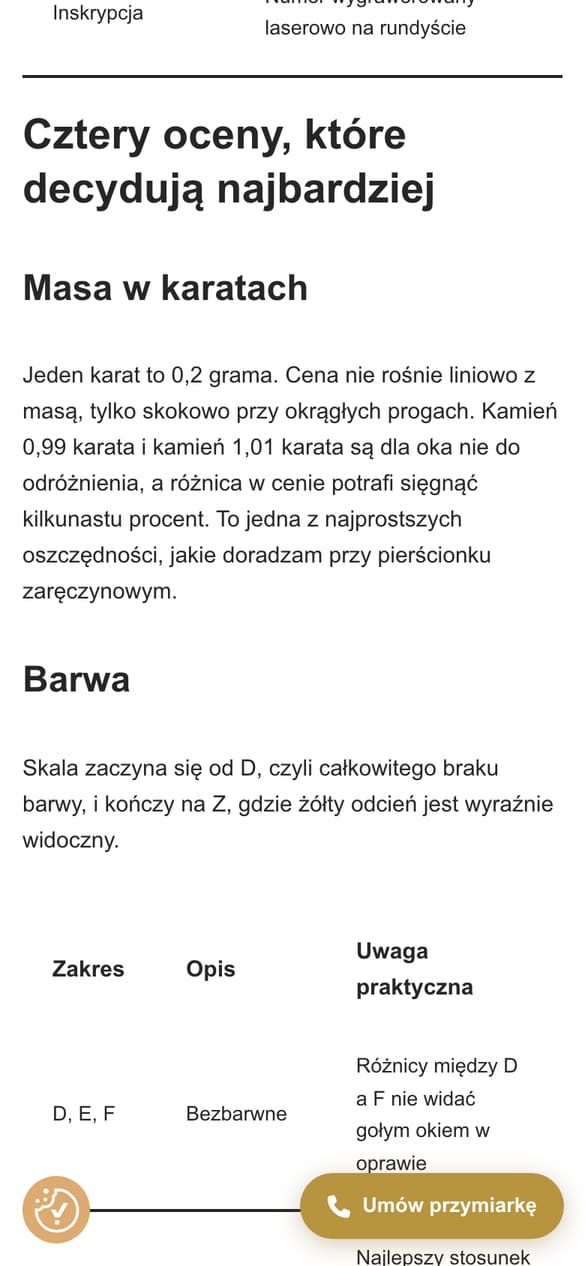
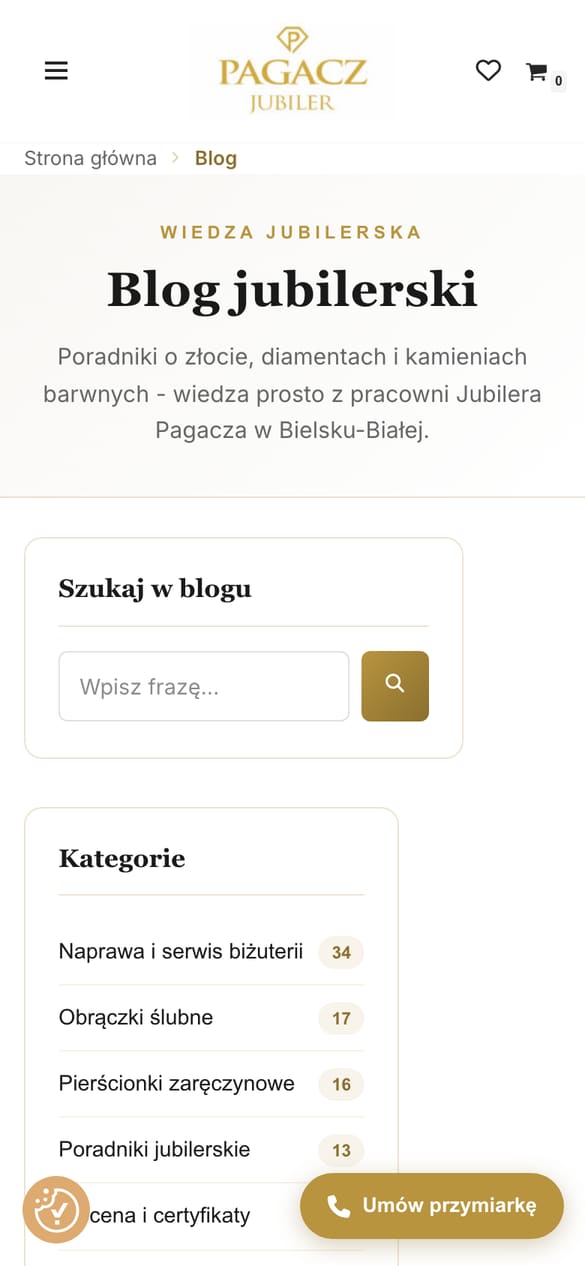
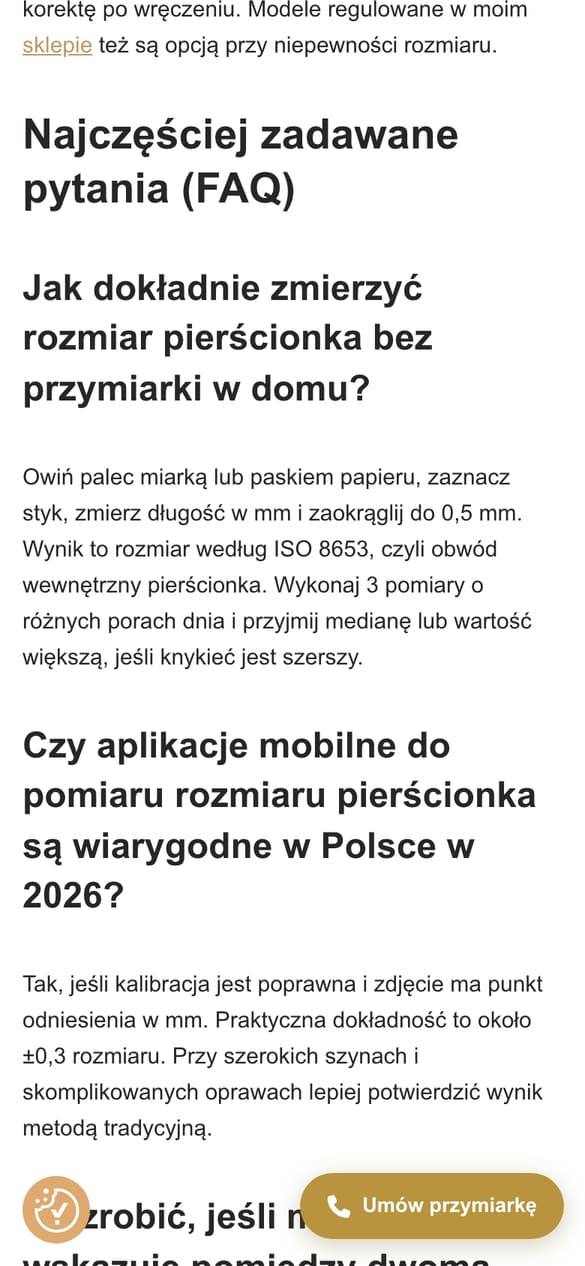
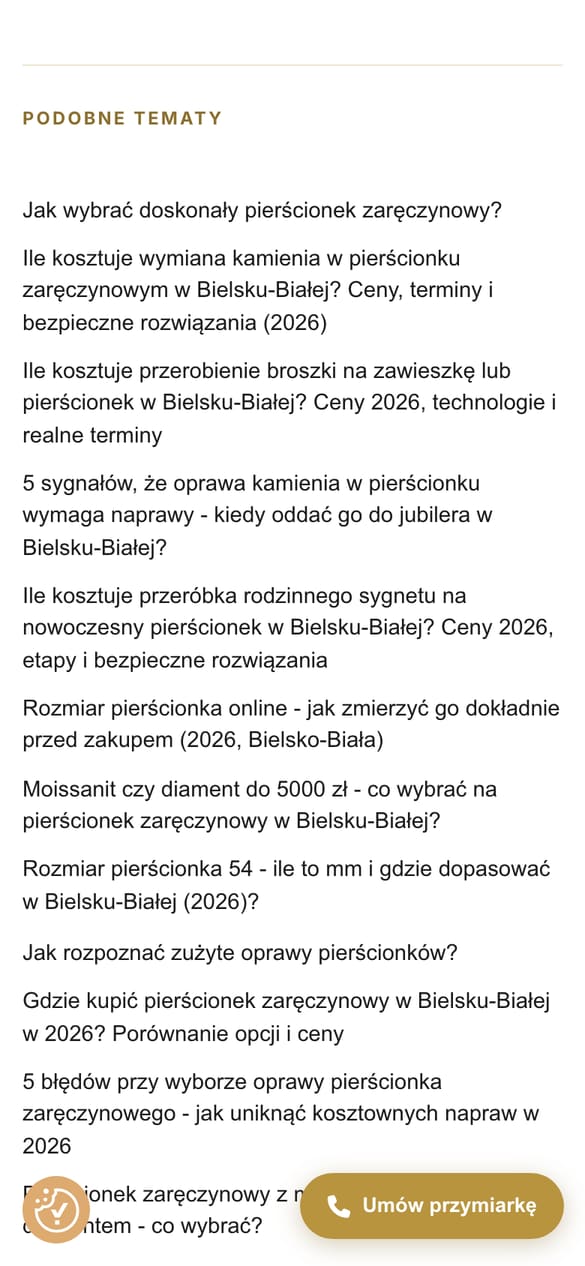
The jeweller's blog: categories with counters and generated graphics with a text overlay.
A similar problem to solve?
Tell us briefly what it is about. We will send a quote within 24 hours.
Ask for a quote →